Across the Wirral — A Coast-to-Coast Walk from Little Neston to New Ferry

Some walks are about a single hill or a loop through the woods. This one is about a whole peninsula. I set out to cross the Wirral from one estuary to the other — starting on the Dee at Little Neston, looking out towards Wales, and finishing on the Mersey at New Ferry, looking across the water at Liverpool. It’s roughly 10.5 miles, almost entirely flat, and it threads together some of the most interesting — and least visited — history anywhere in the North West.

Route Overview

Distance: Approx 10.5 miles
Time: 4.5-5 hours
Difficulty: Easy to Moderate (long, but almost entirely flat)
Start Point: Denhall Quay / Little Neston, on the Dee estuary
Finish Point: New Ferry riverside park, on the River Mersey

Parking: Little Neston / Denhall Quay

This is a point-to-point walk rather than a circular, crossing the Wirral Peninsula from the Dee estuary in the west to the Mersey in the east. There’s no significant climb anywhere on the route — the only “high point” is the gentle rise onto Storeton Hill near the end. Because it’s linear, the easiest way home is to catch the bus back from New Ferry, so it’s worth a quick check of the timetable before you set off.

Starting at Denhall Quay & the Neston Colliery

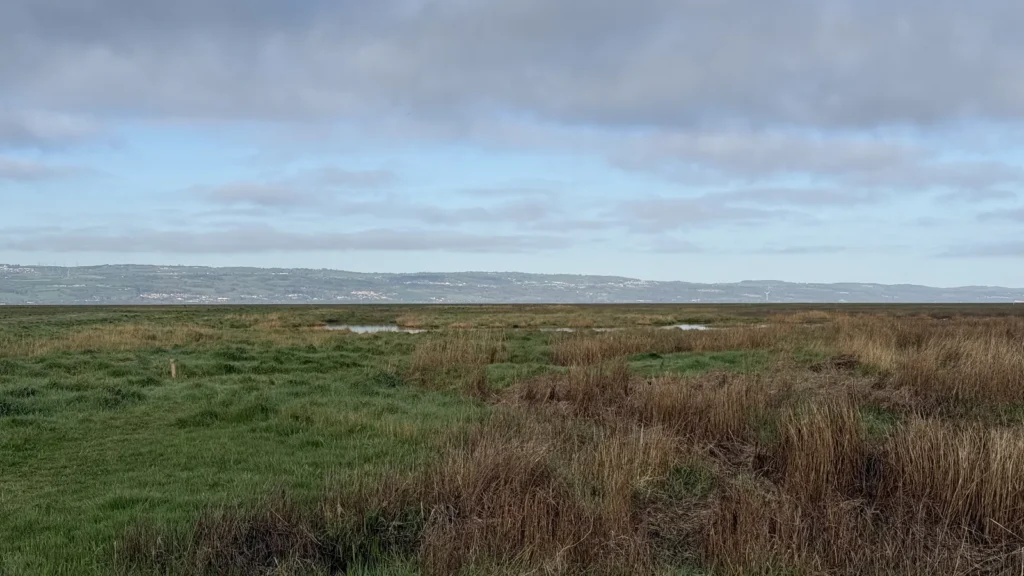
The walk begins down at Denhall Quay, on the marshy edge of the Dee estuary below Little Neston. It’s a quiet, slightly forgotten spot now — but this was once a working coal dock. The Neston Colliery shipped something like a hundred thousand tons of coal a year out from these quaysides, and the old workings ran out under the estuary itself.


Stand here and look across the Dee and you’re looking straight at Wales: the marshes give way to water, and on a clear day Flint Castle sits on the far shore — Edward I’s first Welsh castle, begun in 1277. Down the coast you can pick out the TSS Duke of Lancaster, the old passenger ferry that’s been beached near Mostyn since 1979 and is now famous for the street art covering her hull.

Just up from the quay is The Harp at Ness, a properly good little pub and — trust me on this — a serious sunset-pint destination.

Along the Marsh to Parkgate

From the quay the route follows the estuary edge north, past a natural spring, and on towards Parkgate. This stretch is all big skies, reeds and birdsong — the Dee marshes are a brilliant place for wildlife.

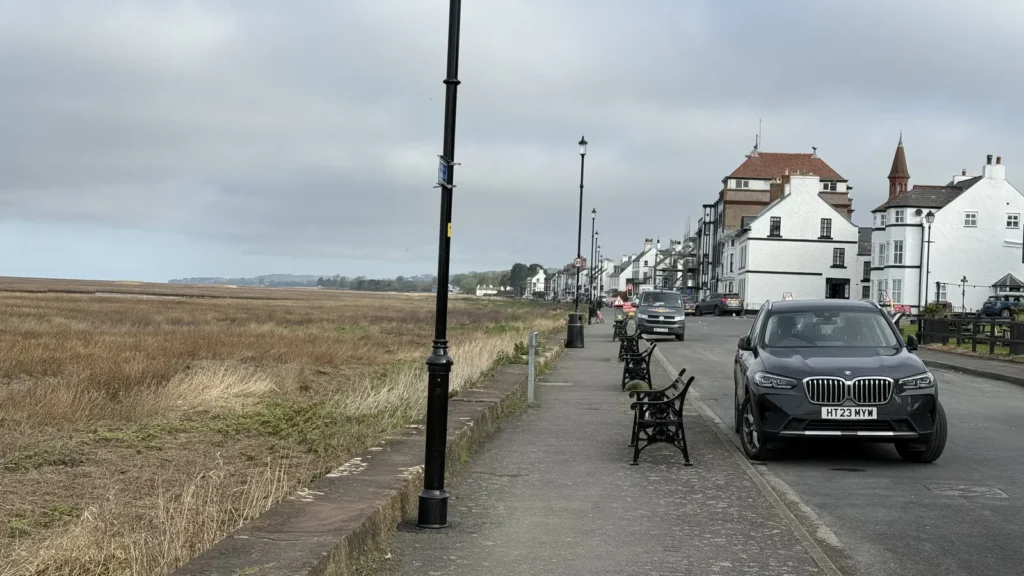
Parkgate itself is the heart of the walk for me. Hard as it is to believe looking at the marsh today, this was once one of the busiest ports in the North West, where ships left for Ireland and where travellers waited for the tide. The sea has long since retreated behind a wall of marsh grass, but the elegant front remains — and so does Nicholl’s, serving ice cream here since 1937. It would be rude not to.


There’s a personal moment for me at Parkgate, too. This is where my own family arrived from Ireland after the Famine. Standing on the front, looking back across the water they crossed, is worth a quiet pause.

Into the Wirral Lanes & Thornton Hough

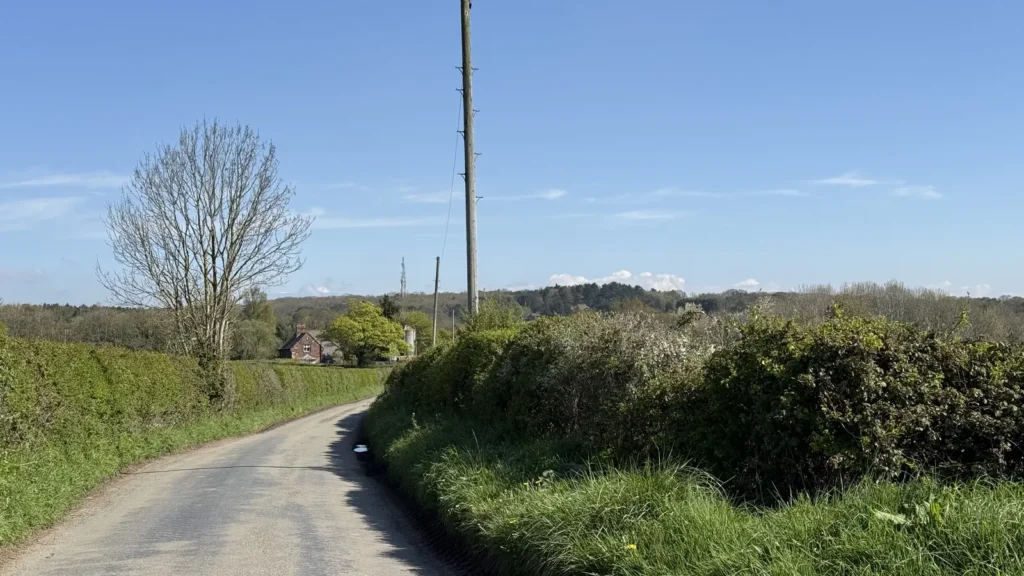
Leaving the coast behind, the route turns inland and settles into the Wirral lanes — hedged, green and surprisingly rural for a peninsula wedged between two cities.


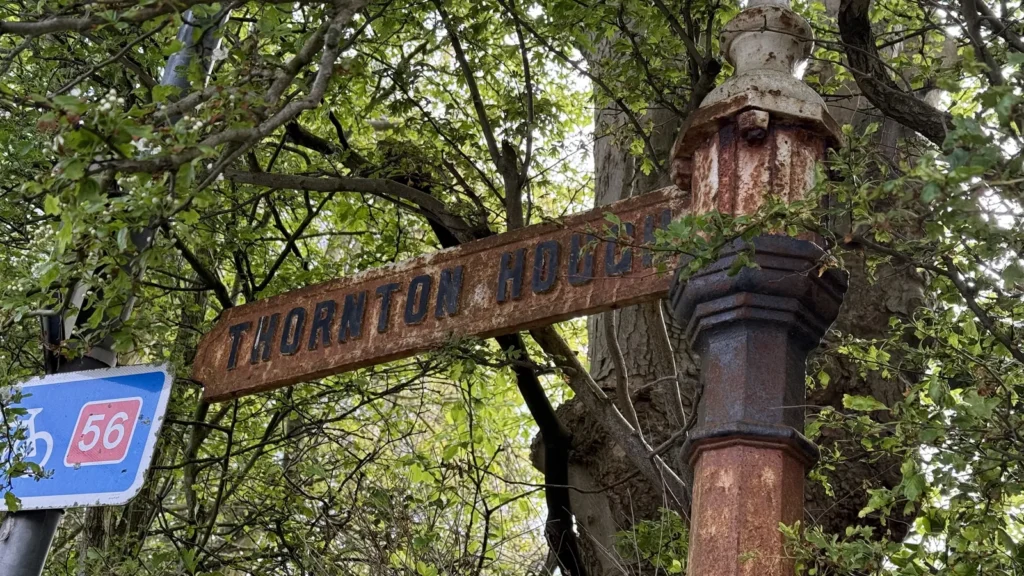
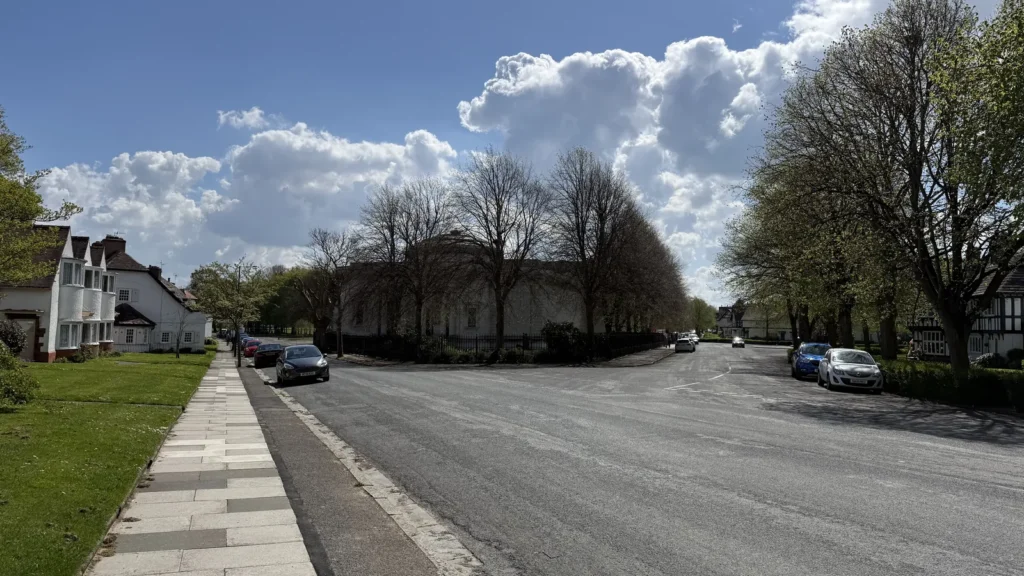
The lanes lead to Thornton Hough, and it’s a stunner: a Victorian model village with twenty-two listed buildings, immaculate greens and a church spire that wouldn’t look out of place on a film set — which is exactly why it stood in for Fackham Hall. It’s the kind of place that makes you slow right down.

Over the Fields to Brimstage & Storeton

Beyond Thornton Hough the walk crosses open fields to Brimstage.


From here it’s lanes and a crossing near the M53, then a gentle rise to Storeton Hill and the Travellers Rest. This is the high ground of the walk — not high by hill standards, but enough to turn around and see the whole way you’ve come stretched out behind you, the Dee a thin silver line in the distance.

Higher Bebington, the Mersey & Port Sunlight

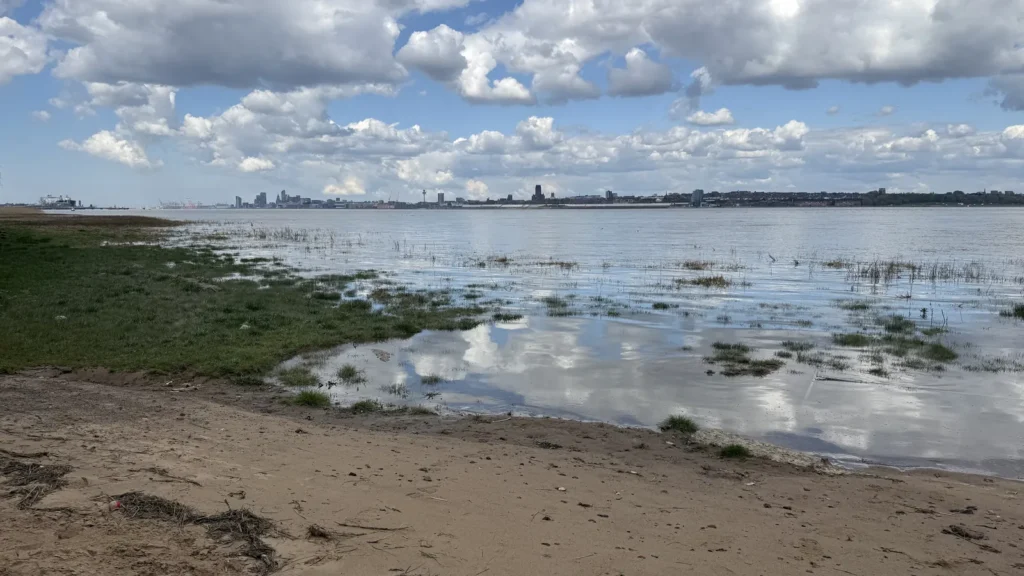
Drop down through Higher Bebington and the view flips: now it’s the River Mersey and the Liverpool skyline ahead of you instead of Wales behind. You’ve genuinely walked from one side of the country’s edge to the other.


The final treat is Port Sunlight— the model village William Hesketh Lever built for his soap-factory workers from 1888. It’s all garden-village greens, listed cottages and grand civic buildings, and at its heart is the Lady Lever Art Gallery, which Lever built in memory of his wife, Elizabeth. It’s one of the finest small galleries in the country and a remarkable thing to walk into at the end of a long day.

Finishing at New Ferry & the Bus Home

From Port Sunlight it’s a short final stretch down to the riverside park at New Ferry, where the walk ends the way it began — on the water’s edge, looking out across the Mersey to Liverpool. Two estuaries, one peninsula, a few thousand years of history in between.

And then the best bit of any point-to-point walk: you don’t have to walk back. There’s a bus home

Route Map & GPX

Get the full route map and GPX file here:

Share this route with your friends

Support us on Patreon
For Early Access and ExclusivesBecome a Patron!

You can help the channel by following these affiliate links and buying things

Your might also be interested in..